


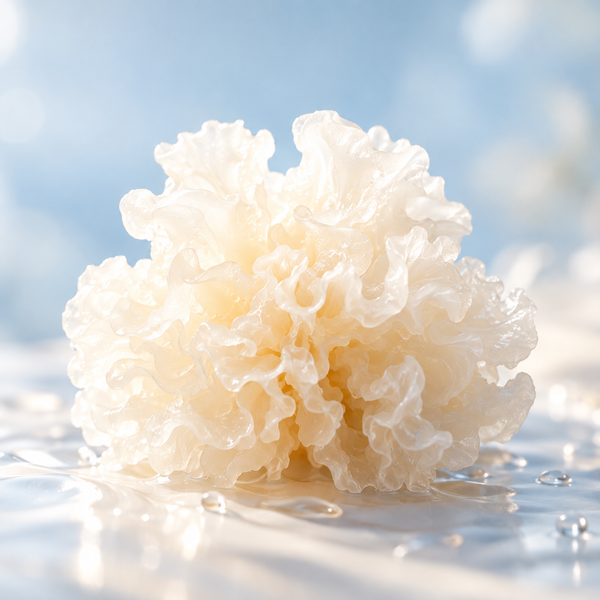
Defense Layer 1
Ectoin + Snow mushroom + Biosaccharide Gum-4 to create protective micro-film

Environmental Protection
Keep your skin feeling calm and steady throughout the day
Barrier Support
Lock in moisture in the harshest of environments for a dewy, healthy look
Vitality Boost
Nourish your skin for a brighter, more refreshed appearance

★★★★★
Face and Body Day Shield
The Urban Defense Day Shield™ is engineered with a complex of synergistic ingredients designed to physically shield the skin’s surface against urban environmental stressors associated with daily exposure to polluted air.
Key ingredients
Aqua (Water), Squalane, Glycerin (Vegetable), C12-16 Alcohols, Polyacrylate Crosspolymer-11, Hyaluronic Acid, Hydrolyzed Hyaluronic Acid, Sodium Hyaluronate, Hydrolyzed Glycosaminoglycans, Tremella Fuciformis (Snow Mushroom) Polysaccharide, Polyglutamic Acid, Ectoin, Potassium Palmitoyl Hydrolyzed Oat Protein, Hydrolyzed Oat Protein, Lecithin, Polylysine, Biosaccharide Gum-4, Butyrospermum Parkii (Shea) Butter, Caprylyl Glycol, Palmitic Acid, Avena Sativa (Oat) Kernel Extract, Tocopherol (Vitamin E), Pentylene Glycol, Sodium Phytate, Propanediol, Hydroxyacetophenone, Hydroxyethyl Acrylate/Sodium Acryloyldimethyl Taurate Copolymer, Ethylhexylglycerin, Sorbitan Isostearate, Rosmarinus officinalis (Rosemary) Leaf Oil
Apply an even layer to clean, dry skin as the final step of your morning skincare routine. Apply daily to the face, neck, hands, and any other skin exposed to the elements, allowing the product to absorb for at least 10 minutes before urban exposure or applying makeup or sunscreen.

Every day, 99% of people are exposed to pollutants from traffic, construction, and urban living that accelerate the skin's visible signs of aging.
Air Index checker
Enter your zip code to see the air quality in your area and if Urban Defense is recommended.
The details that make a difference
Ectoin + Snow mushroom + Biosaccharide Gum-4 to create protective micro-film
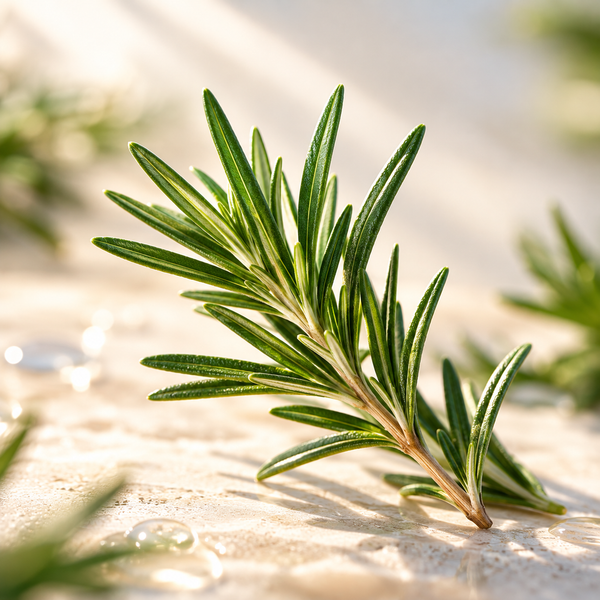
Rosemary + Tocopherol to replenish depleted antioxidant reserves that combat pollution-induced oxidative damage
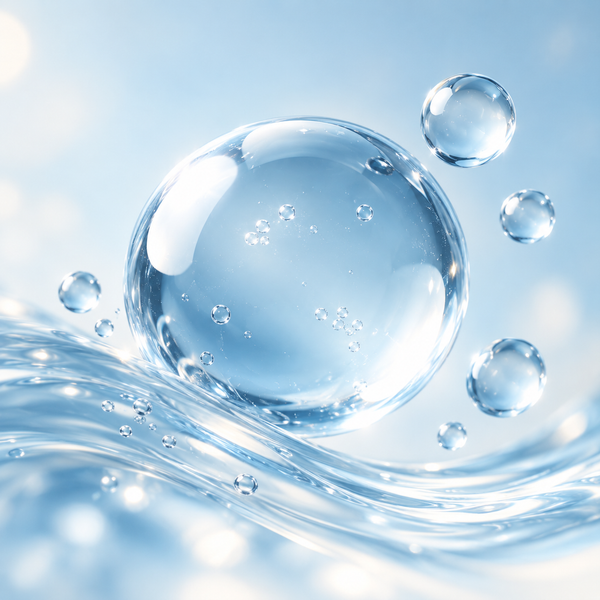
Multi-weight Hyaluronic Acid + Squalane to flood the skin with natural humectants and combat the dehydrative effects of pollutants

City life exposes skin to changing conditions, including pollution and dry indoor air. These everyday stressors can leave skin feeling dehydrated, depleted, or less comfortable. Urban Defense was created to make caring for your skin barrier a simple, positive part of your daily routine.
Studies show 80% of visible aging is caused by environmental factors like air pollution and UV rays rather than genetics.
99% of people live in areas where air pollution exceeds safe guideline limits.
Most air pollutants are 20x smaller than a human pore, allowing them to easily penetrate the skin and cause oxidative damage.

A Layered Formula for Hydrated, Resilient-Looking Skin
Urban Defense combines barrier-supporting ingredients, antioxidant care, and multi-weight hyaluronic acid to help skin feel hydrated and resilient. Its layered approach helps replenish moisture and support skin against the effects of everyday environmental exposure. Use it as a consistent daily ritual for nourished, comfortable-looking skin.
★★★★★
Face and Body Day Shield
The Urban Defense Day Shield™ is engineered with a complex of synergistic ingredients designed to physically shield the skin’s surface against urban environmental stressors associated with daily exposure to polluted air.
Blocks out city polutants
Antioxidant support + hydration
Non-clogging + lightweight
The Urban Defense Day Shield is engineered with an advanced complex of synergistic ingredients designed for skin exposed to urban environmental stressors associated with daily exposure to polluted air.
Key ingredients
Aqua (Water), Squalane, Glycerin (Vegetable), C12-16 Alcohols, Polyacrylate Crosspolymer-11, Hyaluronic Acid, Hydrolyzed Hyaluronic Acid, Sodium Hyaluronate, Hydrolyzed Glycosaminoglycans, Tremella Fuciformis (Snow Mushroom) Polysaccharide, Polyglutamic Acid, Ectoin, Potassium Palmitoyl Hydrolyzed Oat Protein, Hydrolyzed Oat Protein, Lecithin, Polylysine, Biosaccharide Gum-4, Butyrospermum Parkii (Shea) Butter, Caprylyl Glycol, Palmitic Acid, Avena Sativa (Oat) Kernel Extract, Tocopherol (Vitamin E), Pentylene Glycol, Sodium Phytate, Propanediol, Hydroxyacetophenone, Hydroxyethyl Acrylate/Sodium Acryloyldimethyl Taurate Copolymer, Ethylhexylglycerin, Sorbitan Isostearate, Rosmarinus officinalis (Rosemary) Leaf Oil
Apply an even layer to clean, dry skin as the final step of your morning skincare routine. Apply daily to the face, neck, hands, and any other skin exposed to the elements, allowing the product to absorb for at least 10 minutes before urban exposure or applying makeup or sunscreen.
Our goal is for every customer to be totally satisfied with their purchase. If this isn't the case, let us know and we'll do our best to work with you to make it right.
We are unable to accept returns on certain items. These will be carefully marked before purchase.
We will work quickly to ship your order as soon as possible. Once your order has shipped, you will receive an email with further information. Delivery times vary depending on your location.
Our products are manufactured both locally and globally. We carefully select our manufacturing partners to ensure our products are high quality and a fair value.
Shipping is calculated based on your location and the items in your order. You will always know the shipping price before you purchase.